Expert Tips to Prevent Mold in Storage Areas for Manitou Springs Homeowners
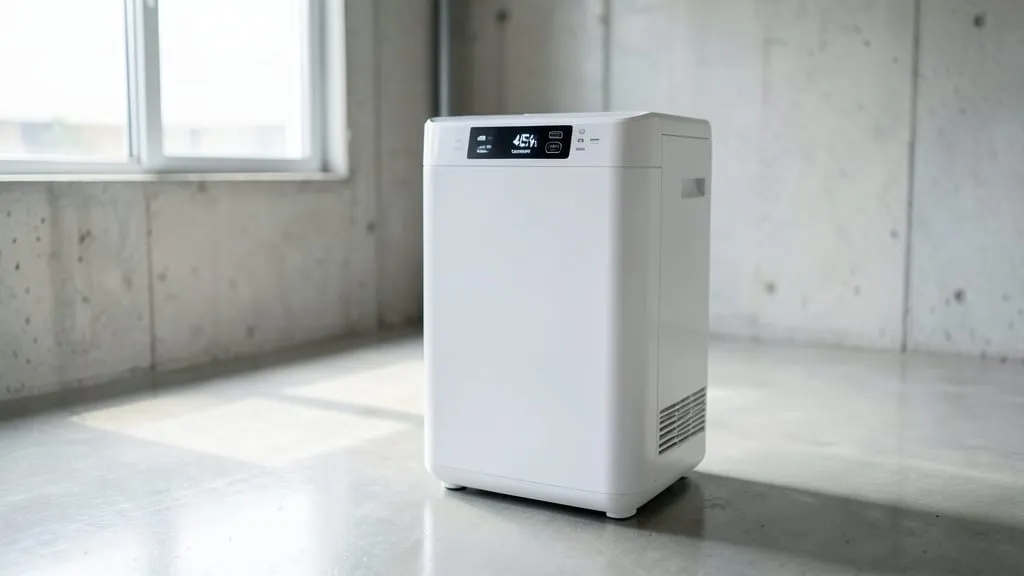
Storage areas in Manitou Springs are prime targets for mold growth due to our region’s seasonal humidity swings and temperature shifts. Without proper precautions, even well-sealed spaces can develop hidden mold that damages belongings and compromises indoor air quality. We’ve helped homeowners across the Pikes Peak region tackle these issues head-on.
Why Storage Areas Are High-Risk for Mold Growth
Mold thrives in dark, poorly ventilated spaces with organic materials—exactly what most storage areas provide. Cardboard boxes, wood shelves, and fabric items feed mold spores, while stagnant air traps moisture.
In our area, spring snowmelt and summer humidity create ideal conditions for mold to take hold. Even minor water intrusion from leaks or condensation can trigger an outbreak within 24–48 hours.
Signs Your Storage Space May Have a Mold Problem
Musty odors are the first red flag. If you notice a persistent earthy smell, mold may already be growing on or behind stored items.
Visible discoloration—black, green, or white spots—on walls, ceilings, or belongings confirms active growth. Don’t assume it’s just dirt; mold often appears fuzzy or slimy.
Allergic reactions like sneezing, itchy eyes, or respiratory issues when accessing storage can signal hidden mold, even if you can’t see it.
Mold can spread rapidly in enclosed spaces. If you suspect an issue, isolate the area and request a professional mold inspection before disturbing it further.
Humidity: The Silent Culprit in Manitou Springs
Our region’s elevation and climate lead to unique humidity challenges. Basements and crawl spaces in older homes—common in neighborhoods like Old Colorado City or Green Mountain Falls—often lack proper vapor barriers.
Relative humidity above 60% significantly increases mold risk. In summer, warm air holds more moisture, which condenses in cooler storage areas, creating a breeding ground for spores.
Material Matters: What’s Feeding Your Mold?
Not all storage materials are equal. Cardboard is highly porous and absorbs moisture, making it a mold magnet. Opt for plastic bins with tight-sealing lids instead.
Wooden shelves or pallets can also harbor mold if not treated or sealed. Metal or plastic shelving resists moisture better but still requires proper spacing for airflow.
| Material | Moisture Absorption | Mold Risk | Recommended for Storage? |
|---|---|---|---|
| Cardboard | High | Very High | No |
| Untreated Wood | Moderate | High | No (unless sealed) |
| Plastic Bins (sealed) | Low | Low | Yes |
| Metal Shelving | None | Low | Yes |
| Fabric (e.g., clothing, upholstery) | High | High | No (use moisture barriers) |
Ventilation and Airflow: Your First Line of Defense
Stagnant air traps moisture and spores. Ensure storage areas—especially basements, attics, and crawl spaces—have adequate ventilation. Exhaust fans or passive vents can help, but avoid creating direct paths for outdoor humidity to enter.
For enclosed spaces like crawl spaces in Cascade or Woodland Park, consider installing a small dehumidifier or using moisture absorbers like silica gel packs.
Place a hygrometer in your storage area to monitor humidity levels. Aim to keep it below 50% to inhibit mold growth.
Moisture Barriers and Waterproofing Solutions
Vapor barriers are critical in below-grade storage areas. A 6-mil polyethylene sheeting can prevent ground moisture from seeping into crawl spaces or basements, a common issue in areas like Colorado Springs and Security-Widefield.
For attics, ensure your roof and insulation are intact to prevent leaks. In older homes near Monument or Palmer Lake, check for gaps in flashing or damaged shingles that could let water in.
Regular Maintenance to Keep Mold at Bay
Inspect storage areas seasonally, especially after heavy rains or snowmelt. Look for water stains, peeling paint, or warped materials—early signs of moisture problems.
Clean and dry items before storing them. Even slight dampness on fabrics or paper can lead to mold. Use moisture-resistant packaging for seasonal items like holiday decorations or winter gear.
Seasonal Storage Area Checklist
- Check for leaks or condensation on walls/ceilings
- Test humidity levels with a hygrometer
- Inspect stored items for signs of mold or moisture damage
- Replace or recharge moisture absorbers (e.g., silica gel, dehumidifiers)
- Ensure vents and airflow paths are unobstructed
- Seal gaps or cracks that could allow water intrusion
When to Call a Professional
If you discover mold covering more than 10 square feet, or if it’s in your HVAC system, professional remediation is essential. DIY cleanups can spread spores and worsen the problem.
Our team serves Manitou Springs and surrounding areas like Woodmoor, Black Forest, and Divide. We start with thorough mold testing and air quality assessments to identify the root cause before remediation.
Older homes in historic districts or rural areas often have unique moisture challenges. A professional inspection can uncover hidden issues like poor drainage or outdated building materials.
How to Create a Mold-Resistant Storage Space
Follow these steps to transform your storage area into a mold-resistant zone.
- 1Assess the Space
Identify potential moisture sources like leaks, condensation, or poor ventilation. Use a flashlight to check dark corners and behind stored items.
- 2Control Humidity
Install a dehumidifier or use moisture absorbers. For crawl spaces, consider a vapor barrier. Aim for humidity below 50%.
- 3Choose the Right Materials
Replace cardboard with plastic bins and use metal or sealed wood shelving. Avoid storing organic materials directly on concrete floors.
- 4Improve Airflow
Add vents, fans, or spacing between shelves to promote circulation. Ensure air can flow around stored items to prevent stagnant pockets.
- 5Seal and Waterproof
Apply waterproof sealants to walls or floors if needed. Check for cracks or gaps in the foundation or roof that could let water in.
- 6Monitor and Maintain
Regularly check humidity levels and inspect for signs of mold or moisture. Rotate stored items to allow airflow and prevent long-term stagnation.
Frequently Asked Questions
How often should I check my storage areas for mold in Manitou Springs?
We recommend inspecting storage areas at least twice a year—once in spring after snowmelt and again in fall before winter sets in. High-humidity summers may warrant additional checks, especially in basements or crawl spaces.
Can I use bleach to clean mold in my storage area?
Bleach is not effective for porous materials like wood or drywall, as it only kills surface mold and doesn’t address the roots. For non-porous surfaces, a vinegar or hydrogen peroxide solution is safer and more effective. For large or persistent mold, professional remediation is best.
What’s the best way to store clothing to prevent mold?
Clean and thoroughly dry all clothing before storage. Use moisture-resistant containers like plastic bins with tight lids, and add silica gel packs or cedar blocks to absorb excess moisture. Avoid plastic bags, as they trap humidity.
Are dehumidifiers worth it for preventing mold in Manitou Springs?
Absolutely. Our climate’s humidity fluctuations make dehumidifiers a smart investment for basements, crawl spaces, and other enclosed storage areas. Look for models with automatic humidity control and a capacity suited to your space’s square footage.
How does mold in storage areas affect indoor air quality?
Mold releases spores and mycotoxins that can circulate through your home’s air, especially if the storage area is connected to your HVAC system. This can trigger allergies, respiratory issues, and other health problems. Proper containment and remediation are key to protecting air quality.
Do I need a professional for attic mold remediation near Manitou Springs?
Attics often have hidden mold due to roof leaks or poor ventilation. If the mold covers a large area or you suspect it’s in the insulation or structural wood, professional remediation is critical. Our team handles attic mold removal across the Pikes Peak region, including areas like Woodland Park and Green Mountain Falls.