What Manitou Springs Home Inspectors Should Look for During Mold Assessments
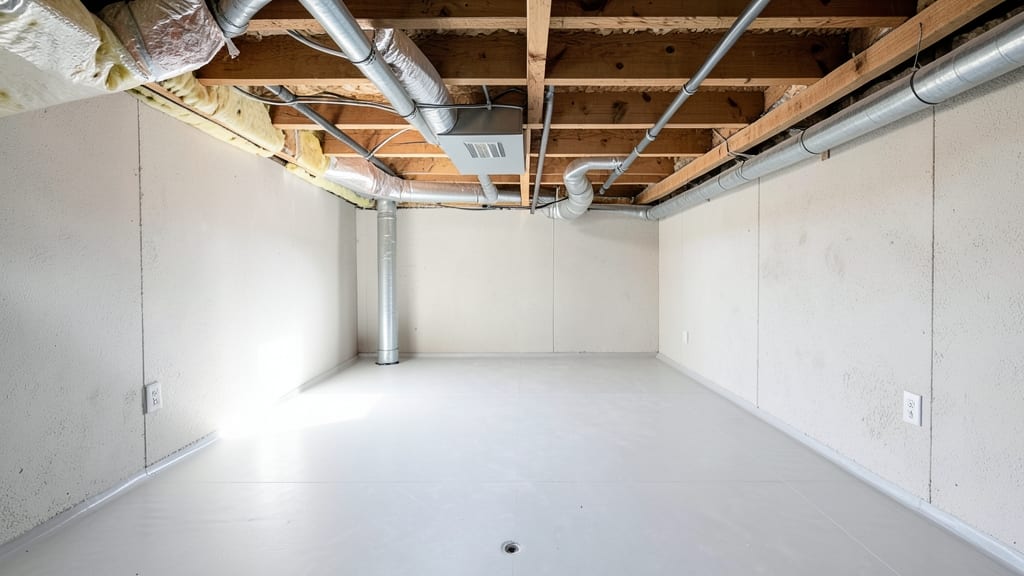
A thorough mold assessment can mean the difference between a safe home and a costly, hazardous problem. For Manitou Springs home inspectors, knowing where to look and what tools to use is critical—especially in our region’s unique climate, where seasonal shifts and elevation-driven humidity create perfect conditions for mold growth.
Why Mold Assessments Are Critical in Our Region
Manitou Springs’ elevation and semi-arid climate don’t make properties immune to mold. In fact, rapid temperature swings and occasional heavy moisture—especially in basements, crawl spaces, and attics—can lead to hidden growth that inspectors must catch early.
Nearby areas like Colorado Springs, Woodland Park, and Old Colorado City share similar risks, particularly in older homes with poor ventilation or past water damage. Mold doesn’t just damage structures; it compromises air quality and health.
Key Areas Every Inspector Should Prioritize
Start with high-moisture zones: basements, crawl spaces, and bathrooms. In Manitou Springs, these areas often lack proper vapor barriers or dehumidification, making them mold hotspots.
Attics are another critical focus. Poor ventilation or roof leaks—common after our heavy spring snows or summer hail—can trap moisture, leading to mold on sheathing, insulation, or rafters.
Don’t overlook HVAC systems. Mold in ductwork can spread spores throughout a home, and inspectors should check for musty odors or visible growth near vents and coils.
Top Mold Prone Areas in Local Homes
- Basements and crawl spaces (especially with dirt floors)
- Attics with poor ventilation or past roof leaks
- Bathrooms with inadequate exhaust fans
- HVAC systems and ductwork
- Around windows and exterior walls (condensation risks)
- Under sinks and behind appliances
Tools of the Trade for Accurate Detection
A moisture meter is non-negotiable. Surface and pinless meters help identify elevated moisture levels in materials—often the first sign of mold, even before it’s visible.
Thermal imaging cameras reveal temperature differences behind walls or ceilings, pinpointing hidden moisture intrusions that standard inspections might miss.
For airborne spores, air quality testing with spore traps or cassettes provides lab-verified data. This is especially useful in commercial properties or homes with suspected hidden mold in Monument or Palmer Lake.
| Tool | Purpose | Best For |
|---|---|---|
| Moisture Meter | Measures moisture content in materials | Walls, floors, wood framing |
| Thermal Imaging Camera | Detects temperature variations indicating moisture | Hidden leaks, insulation issues |
| Borescope | Inspects tight or inaccessible spaces | Inside walls, HVAC ducts |
| Air Quality Sampler | Captures airborne mold spores for lab analysis | Indoor air quality assessments |
| Hygrometer | Measures relative humidity levels | Basements, crawl spaces, attics |
Visible vs. Hidden Mold: What to Watch For
Visible mold—black, green, or white patches—is a clear red flag. But don’t stop there. Discoloration, peeling paint, or warped drywall often signals hidden growth behind surfaces.
Musty odors are another giveaway. If a room smells earthy or stale, especially in older homes in Cascade or Green Mountain Falls, assume mold until proven otherwise. Trust your nose as much as your tools.
Mold can thrive behind drywall, under flooring, or inside HVAC systems long before it’s visible. Always investigate further if moisture or odors are present.
Understanding Local Mold Types and Risks
In our region, *Cladosporium* and *Penicillium* are common due to their ability to grow in cooler, damp conditions. *Stachybotrys*—often called black mold—is less common but requires immediate attention if found.
*Aspergillus* can also appear, particularly in water-damaged areas. If asbestos is suspected in older properties (common in Colorado Springs or Old Colorado City), inspectors should recommend combined mold and asbestos testing before any remediation.
When to Recommend Professional Mold Testing
If you encounter extensive visible mold, strong odors, or signs of water damage, recommend professional mold testing. This is especially critical in commercial properties or multi-unit buildings in areas like Security-Widefield or Fountain.
Post-remediation verification is another key scenario. After mold removal, air quality testing ensures spores are back to safe levels. Always document findings with photos and moisture readings for homeowners and remediation teams.
Photos, moisture readings, and notes on odor or visible growth are essential for homeowners, remediation teams, and insurance claims. Clear documentation speeds up solutions.
Common Mistakes Inspectors Make in Mold Assessments
Overlooking the HVAC system is a frequent error. Mold in ducts can spread spores throughout a home, yet it’s often missed without a borescope or air quality test.
Another pitfall: assuming new homes are mold-free. Poor construction practices or water intrusion during building can lead to early mold growth, even in newer properties in Divide or Woodmoor.
Finally, failing to check exterior grading and drainage can mean missing the root cause. Mold often starts outside—with poor drainage directing water toward foundations in areas like Black Forest or Rock Creek Park.
Next Steps After Identifying Mold
If mold is confirmed, recommend a licensed mold remediation team. For small, contained areas, homeowners may handle cleanup themselves, but larger or toxic mold requires professionals.
Address the moisture source first. Whether it’s a leaky roof in Woodland Park, a cracked foundation in Cascade-Chipita Park, or high humidity in a Colorado Springs basement, fixing the root cause prevents recurrence.
For severe cases, especially in commercial properties or schools near Fort Carson or the Air Force Academy, a full remediation plan with containment, HEPA filtration, and post-clearance testing is essential.
How to Conduct a Basic Mold Inspection in a Home
Follow these steps to perform a preliminary mold assessment before recommending further action.
- 1Gather Your Tools
Equip yourself with a moisture meter, flashlight, borescope (if available), and personal protective gear like gloves and a mask.
- 2Start with a Visual Scan
Check walls, ceilings, floors, and around windows for discoloration, staining, or visible mold. Pay special attention to basements, attics, and bathrooms.
- 3Use a Moisture Meter
Test suspect areas for elevated moisture levels. Readings above 15-20% in wood or 1% in drywall indicate potential issues.
- 4Check for Odors
Sniff for musty smells, especially in enclosed spaces like crawl spaces or behind furniture. Note any areas with persistent odors.
- 5Inspect HVAC and Hidden Areas
Examine ductwork, behind appliances, and under sinks. Use a borescope to check inside walls or tight spaces if possible.
- 6Document Findings
Take photos, record moisture readings, and note locations of any visible mold or water damage. Compile a report for the homeowner.
Frequently Asked Questions
How do I know if the mold in a Manitou Springs home is toxic?
Toxic mold, like *Stachybotrys*, is typically black and slimy but requires lab testing for confirmation. Never assume based on appearance alone—recommend professional mold testing for accurate identification and risk assessment.
Can mold grow in dry climates like Manitou Springs?
Absolutely. While our climate is semi-arid, localized moisture from leaks, poor ventilation, or high humidity in basements and crawl spaces can create ideal conditions for mold growth, even in drier areas.
What’s the difference between mold inspection and mold testing?
A mold inspection is a visual and tool-based assessment to identify signs of mold and moisture. Mold testing involves collecting surface or air samples for lab analysis to determine spore types and concentrations.
Should I recommend mold remediation for every case of mold?
Not always. Small, contained mold (less than 10 square feet) on non-porous surfaces can often be cleaned with proper precautions. Larger areas, porous materials, or toxic mold require professional remediation.
How often should homes in Manitou Springs be inspected for mold?
We recommend annual inspections for older homes, properties with past water damage, or those in high-risk areas like basements or crawl spaces. After major storms or plumbing issues, inspect immediately.
Do home inspectors in Colorado need special certification for mold assessments?
Colorado does not require a specific mold inspection license, but professional certifications (e.g., from the IICRC or NORMI) enhance credibility and ensure adherence to industry standards for mold and air quality testing.