HEPA Vacuuming vs. Regular Cleaning for Mold Remediation in Manitou Springs
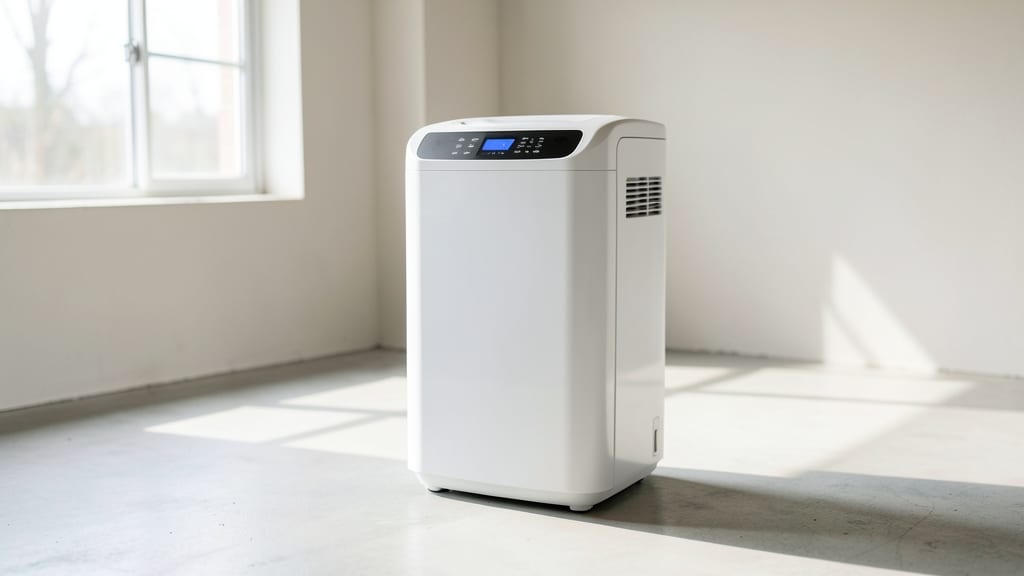
Mold spores are microscopic, resilient, and everywhere—especially in our semi-arid but moisture-prone Front Range climate. When tackling mold in your home, the difference between HEPA vacuuming and regular cleaning isn’t just technical—it’s the line between temporary cleanup and lasting remediation.
Why Regular Cleaning Falls Short in Mold Remediation
Standard vacuums and brooms stir up mold spores, sending them airborne and spreading contamination to other areas of your home. Their filters can’t capture particles as small as mold spores, which measure 1–100 microns.
Even mopping or wiping surfaces with household cleaners often misses the root issue. Mold thrives in hidden, damp spaces like behind drywall or under flooring—areas regular cleaning can’t reach.
Using a non-HEPA vacuum on mold can worsen the problem by dispersing spores into the air and onto clean surfaces. Always isolate the area first.
How HEPA Vacuuming Works in Mold Remediation
HEPA (High-Efficiency Particulate Air) vacuums are designed to trap 99.97% of particles as small as 0.3 microns—including mold spores. This makes them essential for both initial cleanup and post-remediation verification.
Professional-grade HEPA vacuums are sealed systems, preventing spores from escaping through exhaust or leaks. We use them on non-porous surfaces, inside wall cavities, and even in HVAC systems to ensure thorough decontamination.
HEPA vs. Regular Vacuums: A Side-by-Side Comparison
Not all vacuums are created equal, especially when dealing with mold. The table below highlights the critical differences that impact remediation success.
| Feature | HEPA Vacuum | Regular Vacuum |
|---|---|---|
| Particle Capture | Traps 99.97% of particles ≥0.3 microns | Misses most mold spores; re-releases fine particles |
| Filtration | Sealed HEPA filter system | Standard filters (often cloth or paper) |
| Exhaust Air | Clean, spore-free air | May expel spores back into the environment |
| Use in Containment | Safe for use in isolated remediation zones | Not recommended; risks spreading contamination |
| Post-Remediation | Critical for final cleanup and air quality verification | Inadequate for professional standards |
When to Use HEPA Vacuuming in Manitou Springs Homes
HEPA vacuuming is a non-negotiable step in professional mold remediation, but timing matters. It’s used after physical mold removal to capture residual spores on surfaces like concrete, metal, or sealed wood.
In areas like Colorado Springs or Woodland Park, where seasonal humidity spikes or basement flooding can trigger mold growth, HEPA vacuuming is often paired with air scrubbers to maintain clean air during remediation.
It’s also vital in attic or crawl space mold remediation, where dust and spores accumulate in insulation or joists. Never use it on porous materials like drywall or carpet—those require removal.
In our region’s older homes—especially in Old Colorado City or Manitou Springs—check for mold in hidden spaces like behind knee walls or in unfinished basements after heavy rains.
The Role of HEPA in the Full Remediation Process
HEPA vacuuming isn’t a standalone solution. It’s one part of a multi-step process: containment, removal, cleaning, and drying. Skipping steps—like failing to address moisture sources—leads to recurrence.
After HEPA vacuuming, we often follow up with air quality testing to confirm spore levels are back to normal. This is critical in sensitive environments like schools, hospitals, or homes with immune-compromised residents.
Common Mistakes Homeowners Make with Mold Cleanup
Many residents in areas like Cascade-Chipita Park or Stratmoor attempt DIY mold cleanup with bleach or household vacuums. Bleach only discolors surface mold and doesn’t kill spores in porous materials.
Others assume that once visible mold is gone, the problem is solved. Without HEPA vacuuming and moisture control, spores linger and regrow—often within weeks.
Avoid These DIY Pitfalls
- Using a non-HEPA vacuum on moldy areas
- Skipping containment (plastic sheeting, negative air pressure)
- Ignoring the moisture source (leaks, condensation, poor ventilation)
- Assuming paint or sealants will ‘encapsulate’ active mold
- Failing to test air quality post-cleanup
Local Conditions That Demand Professional HEPA Remediation
Manitou Springs’ unique climate—dry air punctuated by sudden summer storms or snowmelt—creates perfect conditions for hidden mold. Basements in areas like Rock Creek Park or Gleneagle often trap moisture against foundation walls.
In commercial spaces near the Air Force Academy or Fort Carson, large HVAC systems can distribute spores building-wide if not properly cleaned with HEPA equipment. We’ve seen this in schools, offices, and even storage facilities in Security-Widefield.
What to Expect During Professional HEPA Mold Remediation
Our team starts with a thorough mold inspection and testing, often using air quality monitors to map spore concentrations. Containment barriers isolate the affected area to prevent cross-contamination.
After physical removal of moldy materials, we deploy HEPA vacuums on all non-porous surfaces, followed by HEPA air scrubbers to purify the air. Final clearance testing ensures the space meets safety standards.
How to Prepare Your Home for Professional Mold Remediation
A few simple steps can help our team work efficiently and safely.
- 1Clear the Area
Remove furniture, belongings, and pets from the affected space. This allows full access to walls, floors, and hidden areas like behind appliances.
- 2Turn Off HVAC Systems
Prevent spores from spreading through vents. This includes furnaces, air conditioners, and fans in the contaminated zone.
- 3Identify Moisture Sources
Note any leaks, condensation, or water damage. Share this with our team to address the root cause during remediation.
- 4Avoid Disturbing Mold
Don’t attempt to scrub or vacuum moldy areas yourself. This can release spores and worsen contamination before professionals arrive.
- 5Plan for Temporary Relocation
For severe cases, especially in homes with vulnerable individuals, consider staying elsewhere during remediation. We’ll advise based on the scope.
Frequently Asked Questions
Can I rent a HEPA vacuum and do the remediation myself in Manitou Springs?
While renting a HEPA vacuum is possible, DIY remediation often misses critical steps like proper containment, moisture control, or post-cleanup testing. Without experience, you risk incomplete removal or cross-contamination. For peace of mind, request a quote from professionals.
How often should I use a HEPA vacuum after mold remediation?
After professional remediation, regular HEPA vacuuming (every 1–2 weeks) can help maintain air quality, especially in high-risk areas like basements or bathrooms. However, the priority should be addressing moisture issues to prevent regrowth.
Is HEPA vacuuming enough to remove mold from carpets or upholstery?
No. Porous materials like carpets, upholstery, or drywall typically require removal and replacement if moldy. HEPA vacuuming can help capture surface spores but won’t eliminate mold embedded in these materials.
Does HEPA vacuuming kill mold spores?
HEPA vacuuming doesn’t kill spores—it captures them. The physical removal of spores via HEPA filtration is a key part of remediation, but it must be combined with moisture control and, in some cases, antimicrobial treatments for full effectiveness.
What’s the difference between HEPA vacuuming and air scrubbing?
HEPA vacuuming removes spores from surfaces, while HEPA air scrubbers filter spores and other particles from the air. Both are often used together during remediation: vacuums clean surfaces, and scrubbers purify the air in real time.
Are there areas in Manitou Springs where mold is more common?
Yes. Older homes in Manitou Springs, Colorado Springs, or Woodland Park with poor ventilation, as well as properties near creeks or in flood-prone zones like Fountain or Monument, are more susceptible. Basements, crawl spaces, and attics are common hotspots due to moisture buildup.